

AI Tools That Automate Personalized Nutrition Planning
 Jan 31,2026
  By Mohammed Khazi
What if you never had to spend another Sunday afternoon staring at a blank meal planner, wondering what to cook for the week ahead?
What if an intelligent system could analyze your body, your goals, your taste preferences, and your schedule — and hand you a perfectly tailored nutrition plan in seconds?
And what if the same revolution transforming affordable ai video editing and content creation was now quietly reshaping the way the entire world eats?
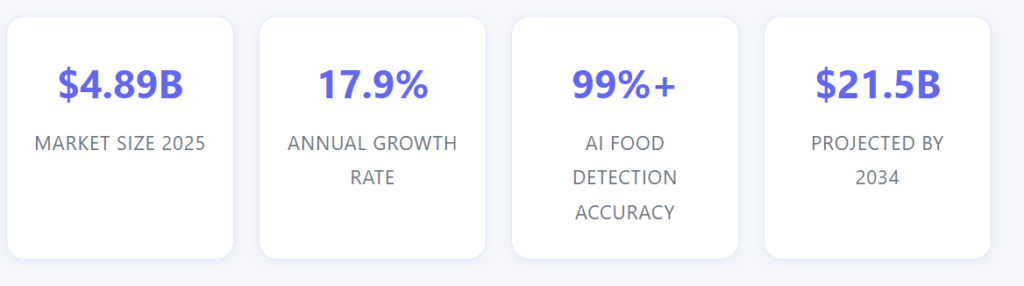
These are not hypothetical questions anymore. The era of AI-powered personalized nutrition planning is here, and it is moving faster than most people realize. According to market research, the global AI in personalized nutrition market was valued at USD 4.89 billion in 2025 and is projected to surge to USD 21.54 billion by 2034, growing at a compound annual growth rate of 17.9%. That is not a niche trend — that is a full-scale industry transformation.
In this article, we are going to break down exactly how AI tools are automating personalized nutrition planning, which platforms are leading the charge, what technologies power them behind the scenes, and how you can start using them today. Whether you are a fitness enthusiast, a busy professional, or someone simply trying to eat smarter, this guide has something for you.
Why Personalized Nutrition Planning Is No Longer Optional
For decades, nutrition advice followed a one-size-fits-all model. Government guidelines told us to eat more vegetables, drink more water, and limit sugar. While that advice is not wrong, it ignores a critical biological reality: every human body metabolizes food differently. Two people eating the identical meal can experience wildly different blood glucose responses, weight changes, and energy levels. Research published in peer-reviewed journals confirms that traditional dietary approaches often fall short when it comes to accounting for individual metabolic variability.
This is where AI tools that automate personalized nutrition planning step in. These platforms do not hand you a generic meal plan based on your calorie target alone. Instead, they collect data points from your genetics, gut microbiome, wearable devices, lifestyle habits, and even your food preferences, then process all of that through sophisticated machine learning algorithms to build a nutrition strategy that is genuinely unique to you. The result is a plan that does not just tell you what to eat — it explains why that specific combination of foods is the right fit for your body.
Think about how affordable ai video editing tools transformed content creation. Before those platforms existed, producing a polished video required expensive software, professional editors, and hours of manual work. Suddenly, AI made that entire process accessible to anyone with a smartphone. The same democratization is happening in nutrition right now. You no longer need to spend hundreds of dollars on a registered dietitian for every meal plan adjustment. AI is doing that heavy lifting automatically.
How AI Tools Automate Personalized Nutrition Planning
The magic behind these tools is not a single technology — it is a layered system of multiple AI capabilities working together seamlessly. Here is how the process typically works from start to finish.
Data Collection and User Profiling
Every AI nutrition tool begins by gathering information about you. This ranges from basic inputs like age, weight, height, and fitness goals, to more advanced data such as results from blood biomarker tests, continuous glucose monitor readings, or even DNA analysis. Some platforms integrate directly with popular wearable devices like Apple Watch or Fitbit to pull in real-time activity and heart rate data. The richer the data, the more personalized the output.
Machine Learning and Predictive Modeling
Once the data is collected, machine learning models analyze patterns across thousands of variables. These algorithms identify which combinations of nutrients, meal timings, portion sizes, and food types are most likely to produce the health outcomes you are targeting. Some platforms use deep learning architectures, including variational autoencoders, to model user-specific biological data and generate meal plans that align with established nutritional guidelines from organizations like the WHO and EFSA.
Computer Vision and Food Recognition
Many modern AI nutrition apps have integrated computer vision to make food logging effortless. Instead of manually entering every item you eat, you simply snap a photo of your plate. The AI identifies the food items, estimates portion sizes, and calculates the full nutritional breakdown in seconds. Research demonstrates that AI and computer vision-driven systems in the food industry can achieve over 99% accuracy in food classification and nutrient detection. Apps like SnapCalorie claim an error rate of just 16% compared to the average 53% error rate when humans manually track food intake.
Continuous Adaptation and Feedback Loops
Unlike a static meal plan that you print out and follow blindly, AI-driven nutrition tools adapt over time. They track how your body responds to specific foods, monitor your adherence patterns, and continuously refine their recommendations. If you hit a plateau or your lifestyle changes, the algorithm adjusts your plan accordingly. This creates what researchers describe as a dynamic, data-driven framework that replaces traditional heuristic-based dietary planning.
Top AI Tools That Automate Personalized Nutrition Planning in 2025
The market is crowded, but not all tools are created equal. Here are the platforms that are consistently delivering results for users who want truly automated, personalized nutrition planning.
- HealthifyMe — Features an AI nutritionist called Ria that creates customized diet plans based on your specific health data. It integrates with wearable devices and includes an extensive database of regional foods from around the world, making it one of the most culturally inclusive options available.
- Foodvisor — Leverages advanced computer vision to identify what you are eating from a simple photo, estimate portion sizes, and deliver detailed nutritional information instantly. It also connects users with registered dietitians for human-AI hybrid guidance.
- Nourish — Bridges the gap between traditional healthcare and digital wellness by pairing AI meal logging tools with access to registered dietitians, some of whose consultations may be covered by insurance.
- Strongr Fastr — Uses AI to generate customizable meal plans based on your nutrition goals and preferences. Users can randomize and swap meals while the AI ensures macronutrient targets remain on track for weight loss, muscle building, or general health.
- Fitia — Integrates meal planning with full nutrition tracking. Its AI-powered recommendation engine analyzes lifestyle patterns, food preferences, and progress to create individualized plans, accompanied by a 24/7 AI coach called Fitia Coach.
- Samsung Food — Identifies ingredients from photos, suggests recipes based on what is already in your kitchen, and crafts meal plans tailored to your dietary needs. It also communicates directly with Samsung smart appliances for a fully connected kitchen experience.
Comparing the Top AI Nutrition Platforms Side by Side
Choosing the right tool depends on your specific needs. The table below compares the leading AI nutrition platforms across the features that matter most.
| Platform | AI Feature Highlight | Food Logging Method | Wearable Integration | Best For |
|---|---|---|---|---|
| HealthifyMe | AI nutritionist (Ria) with regional food database | Photo + Manual | Yes | Culturally diverse diets |
| Foodvisor | Computer vision portion estimation | Photo + Barcode | Yes | Effortless visual tracking |
| Nourish | AI + registered dietitian hybrid model | AI-guided logging | Yes | Insurance-covered nutrition care |
| Strongr Fastr | Adaptive macro-based meal generation | Manual + AI Swap | Limited | Fitness goal-driven planning |
| Fitia | 24/7 AI coach with behavioral learning | Photo + Manual | Yes (15+ trackers) | Comprehensive nutrition + fitness |
| Samsung Food | Smart appliance integration + photo ID | Photo + Voice | Samsung Ecosystem | Connected smart kitchen users |
The Technologies Powering AI-Driven Nutrition Planning
Understanding what happens under the hood helps you appreciate why these tools are so effective — and why they are only going to get better. The connection between AI nutrition planning and broader AI ecosystems is tighter than most people realize. Consider how affordable ai video editing tools rely on the same foundational AI models — computer vision, natural language processing, and deep learning — that nutrition platforms now use to analyze your food and build your meal plans.
Here are the core technologies at work:
- Machine Learning (ML) — Algorithms that learn from vast datasets of nutrition outcomes, user behavior, and biological responses to identify patterns and make predictions about what will work for a specific individual.
- Deep Learning (DL) — Neural network architectures that process complex, multi-layered data like genetic information and microbiome profiles to generate highly nuanced dietary recommendations.
- Natural Language Processing (NLP) — Allows users to log food intake conversationally, as naturally as telling a friend what they had for lunch, eliminating the friction of manual data entry.
- Computer Vision (CV) — Enables apps to recognize food items from photographs, estimate serving sizes, and calculate nutritional content without any manual input from the user.
- Continuous Glucose Monitoring (CGM) Integration — Wearable biosensors that feed real-time blood glucose data into AI systems, allowing nutrition plans to adapt based on how your body actually responds to specific foods.
- Nutrigenomics — The science of how your genetic makeup influences your response to nutrients. AI platforms that incorporate DNA data can tailor recommendations at the most granular biological level possible.
💡 Key Insight
The same AI breakthroughs making affordable ai video editing accessible to everyday creators are now powering nutrition platforms that can analyze your plate, predict your glucose response, and generate a personalized weekly meal plan — all within seconds. The technology pipeline is converging faster than any single industry expected.
Key Benefits of Using AI for Personalized Nutrition Planning
Switching from generic diet advice to an AI-powered personalized nutrition plan delivers benefits that go far beyond just “eating healthier.” Here is what users consistently report after adopting these tools.
- Eliminated Decision Fatigue — When an AI generates your weekly meal plan automatically, you stop spending mental energy deciding what to eat every single day. Studies show that decision fatigue is one of the top reasons people abandon healthy eating habits.
- Improved Adherence — Research found that users of AI-powered nutrition platforms adhere to their plans significantly better than those using traditional tracking methods. Personalization removes the feeling of deprivation that derails most diets.
- Real-Time Nutritional Awareness — AI tools compute calories, macronutrients, and micronutrients automatically, giving you a clear picture of exactly what you are consuming without hours of manual logging.
- Reduced Food Waste — Smart grocery list generation, combined with features like “cook from your fridge” tools that suggest meals based on ingredients you already have, significantly reduces unnecessary purchases and food waste.
- Disease Prevention and Management — For individuals managing conditions like type 2 diabetes, cardiovascular disease, or irritable bowel syndrome, AI-driven dietary interventions have shown promising results in improving glycemic control and gastrointestinal symptom relief.
- Budget-Friendly Meal Planning — Several AI platforms factor cost into their recommendations, ensuring that your personalized plan does not require expensive specialty ingredients or exotic superfoods.
How to Get Started With AI-Powered Nutrition Planning
You do not need a PhD in biology or a stack of medical records to start using these tools. The onboarding process for most AI nutrition platforms is deliberately simple and takes less than five minutes. Here is a practical step-by-step approach to getting started.
- Define your primary goal. Are you trying to lose weight, build muscle, manage a health condition, or simply improve your overall energy levels? Being specific helps the AI generate more targeted recommendations from day one.
- Choose a platform that fits your lifestyle. If you prefer photo-based logging, go with Foodvisor or SnapCalorie. If you want a human nutritionist in the loop, Nourish is a strong pick. If fitness tracking is equally important, Fitia offers the most comprehensive integration.
- Complete your health profile. Input your basic stats, and if the platform offers it, consider connecting a wearable device or uploading any relevant health data like blood work results. The more context you give the AI, the more accurate its recommendations will be.
- Let the AI generate your first plan. Review it, make any adjustments based on your preferences, and commit to following it for at least two weeks before evaluating results.
- Track consistently and let the algorithm learn. The more data you feed back into the system through daily logging, the smarter and more personalized your plan becomes over time.
Much like the way affordable ai video editing platforms revolutionized how creators produce content by lowering the barrier to entry, AI nutrition tools have removed the gatekeeping that once made personalized dietary guidance available only to those who could afford frequent consultations with nutritionists. The playing field is now level, and the tools are genuinely impressive.
Challenges and Limitations to Be Aware Of
No technology is perfect, and AI nutrition planning tools are no exception. Being aware of the current limitations helps you use these platforms more effectively and avoid unrealistic expectations.
- Data Privacy Concerns — These platforms collect sensitive health information. Always review the privacy policy before signing up and understand how your data is stored, shared, and used.
- Accuracy Depends on Input Quality — AI can only work with the data you give it. If you skip logging meals or provide inaccurate information, the recommendations will suffer accordingly.
- Not a Replacement for Medical Advice — For individuals with serious health conditions, AI nutrition tools should supplement — not replace — guidance from qualified healthcare professionals.
- Algorithm Transparency — Some platforms do not clearly explain how their AI reaches specific recommendations. Look for tools that provide explainable outputs so you understand the reasoning behind each suggestion.
- Cost Variability — While some platforms offer free tiers, the most powerful features often sit behind paywalls. Research pricing structures before committing to a subscription.
The Future of AI in Personalized Nutrition Planning
The trajectory of AI nutrition tools points toward even deeper personalization and smarter integration in the coming years. Several trends are worth watching closely.
Digital twins — AI-driven simulations that model your biological responses to different foods — are already being explored by researchers to accelerate nutrition science without relying on physical trials. Federated learning is emerging as a way to train nutrition AI models on massive, distributed datasets while keeping individual user data private. The integration of microbiome testing with AI platforms is expected to become mainstream, allowing meal plans to account for the trillions of bacteria in your gut that directly influence how you absorb nutrients.
Companies like Medtronic have already acquired AI nutrition startups to embed dietary guidance directly into diabetes management platforms. Major food corporations including Nestlé and Danone are investing in AI-powered nutrition tools as core parts of their business strategy. The convergence of affordable ai video editing capabilities with health-focused AI demonstrates how these foundational technologies are cross-pollinating across industries at an accelerating pace.
By 2030, personalized nutrition is expected to be as standard as having a fitness tracker on your wrist. The question is no longer whether AI can automate your nutrition planning — it already can. The question is which tool you choose and how consistently you engage with it.
Frequently Asked Questions (FAQs)
Q1: Can AI tools that automate personalized nutrition planning actually replace a registered dietitian?
Not entirely. AI nutrition tools excel at generating data-driven meal plans, tracking intake, and adapting recommendations over time. However, for individuals with complex medical conditions or eating disorders, the guidance of a qualified dietitian remains essential. The best approach is to use AI as a complement to professional advice, not a substitute for it.
Q2: How accurate are AI food recognition features when I take a photo of my meal?
Accuracy varies by platform, but the leading tools are impressively precise. SnapCalorie, developed by ex-Google AI researchers, reports an error rate of just 16%, compared to the industry average of 53% when humans manually track food. Computer vision technology in the food space has demonstrated over 99% accuracy in food classification when deployed in controlled settings. Real-world results depend on image quality, lighting, and how complex the meal is.
Q3: Do I need expensive wearable devices to get personalized nutrition recommendations?
No. Most AI nutrition platforms work effectively with just your smartphone. Wearable integration is a bonus that adds another layer of personalization through real-time activity and health data, but it is not a requirement to get started. Basic profiling and photo-based food logging deliver strong results even without a fitness tracker.
Q4: Is there a connection between AI nutrition tools and affordable ai video editing technology?
Yes, absolutely. Both categories rely on the same foundational AI technologies — computer vision, deep learning, and natural language processing. The breakthroughs that made affordable ai video editing accessible to millions of content creators are the same innovations powering food recognition, meal plan generation, and personalized dietary coaching. The underlying AI infrastructure is shared across industries.
Q5: How long does it take for an AI nutrition tool to learn my preferences and deliver accurate plans?
Most platforms deliver a usable personalized plan within the first 24 hours based on your initial profile. However, the recommendations become significantly more refined after two to four weeks of consistent use. The more data you feed into the system through regular food logging and feedback, the faster the AI adapts to your unique biology and preferences.
Q6: Are AI personalized nutrition plans suitable for people with dietary restrictions or allergies?
Absolutely. One of the core strengths of AI nutrition tools is their ability to work around restrictions seamlessly. Platforms like HealthifyMe and Foodvisor allow you to specify allergies, intolerances, and dietary preferences — from vegan and keto to gluten-free and halal — and the AI generates plans that respect those boundaries while still hitting your nutritional targets.
Explore Further
Want to dive deeper into the science and tools behind AI-powered personalized nutrition? Here are some valuable resources worth exploring:
- Tribe AI — Top AI-Powered Nutrition Apps to Watch in 2025
- PMC — Artificial Intelligence in Personalized Nutrition: A Comprehensive Review
- TowardsFNB — AI in Personalized Nutrition Market Size & Forecast
- Nutrition Coaching Academy — The 3 Best AI Calorie Tracking Apps in 2025
Thanks for reading — EizBiz.ai
If this article helped you understand how AI is transforming personalized nutrition planning, we would love to keep you in the loop. EizBiz.ai covers the latest in AI technology, AI tools, AI prompts, AI image generation, AI videos, and cutting-edge AI research — all in one place.
Join our growing community and never miss an update. Follow us on social media, enable push notifications, or subscribe to our newsletter to get instant access to every new article, tutorial, and tool breakdown we publish.
Stay curious. Stay ahead. Stay with EizBiz.ai.